What feldspathic ceramic is
Feldspathic porcelain is the oldest dental ceramic still in routine esthetic use. It is built from feldspar-based powders that the technician applies wet, layer by layer, and fires. There is no milling and no CAD/CAM stage: every optical effect in the finished veneer was placed by hand.
Its flexural strength sits in the region of 60 to 90 MPa, well below lithium disilicate at roughly 360 to 400 MPa and zirconia above 800 MPa. That number looks alarming until you remember how the restoration works in the mouth. A bonded feldspathic veneer is not a free-standing structure. Once it is adhesively bonded to enamel, the tooth and the ceramic behave as one unit and the enamel carries the load. Strength on a test bar is not the property that decides survival here. The bond is.
Why it is chosen for esthetic cases
Two reasons, and they are related.
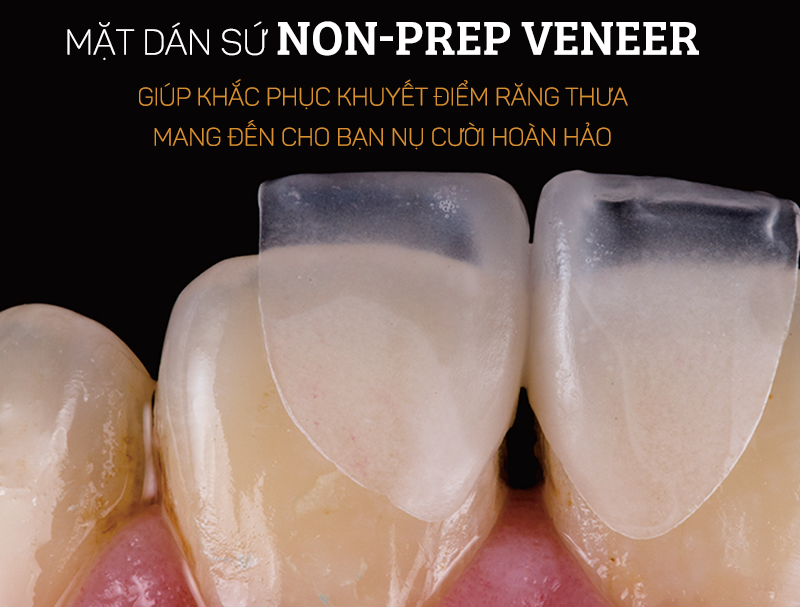
Optical behaviour. Feldspathic ceramic has the highest translucency of the materials in routine use, which puts it closest to natural enamel. It scatters light in the same range, so the restoration keeps depth instead of reading as a flat bright surface. On a case where the neighbouring teeth are untouched, that difference is what stops the veneer looking added on.
Thickness. Because the material is layered rather than milled, it can be built at 0.2 to 0.3 mm. That is thin enough for a non-prep or minimal-prep approach, which keeps the enamel intact. Preserving enamel is not only conservative dentistry, it also protects the bond that the restoration depends on.
Where it fits, and where it does not
If you are weighing the two materials against each other, see feldspathic or e.max veneers: how to choose.
Feldspathic suits cases with modest changes on a sound foundation: closing a diastema, refining shape and proportion, correcting minor alignment, lifting shade by a small margin. The requirement is intact enamel to bond to and a preparation that is not badly discoloured.
It is the wrong choice when a dark preparation has to be masked, because at 0.3 mm there is not enough material to block the underlying colour. It is also the wrong choice where the patient brings a heavy parafunctional habit, or where the plan calls for a large functional change. In those situations lithium disilicate or zirconia is the safer route, and our ceramic materials comparison sets out the thresholds.
Thickness and preparation
The figures for each level of shade change are set out in minimum veneer thickness: how thin is enough.
The single most useful thing a clinician can do for a feldspathic case is keep the margin on enamel. Where the finish line drops onto dentine, the bond weakens and the survival figures change. If the case needs more reduction than the enamel allows, that is the signal to change material rather than to proceed thin.
Send us the preparation shade alongside the target shade. On a 0.3 mm veneer, the preparation is not a background detail, it is half the final colour.
What the literature reports on survival
Published series put feldspathic laminate veneers around 87 per cent survival, against roughly 94 per cent for glass-ceramics, with the difference not reaching statistical significance in the systematic reviews that compare them. A retrospective clinical series reported survival near 92 per cent over periods of up to seven years.
The practical reading is that the material is not fragile in service when it is bonded to enamel and used inside its indication. Most failures reported in these series trace back to bonding substrate or case selection rather than the ceramic itself.
Why we layer these by hand
A milled restoration starts from a blank with its shade already fixed. A layered restoration starts from nothing, and the technician places opacity at the cervical, the body transition, and translucency with a halo at the incisal edge in the order that natural enamel uses. On multi-unit anterior cases this is also how deliberate variation between teeth is created, because a natural dentition has no two identical teeth.
Cases from our bench
To discuss a specific case, contact our team or start through the ordering process.
Written for dentists and technicians. Khai Nguyen Dental Lab manufactures to clinical prescription only and does not sell directly to patients.