
Diagnostic Wax-Ups
Khai Nguyên Dental Laboratory

Inlay/Onlay/Overlay

Inlay/Onlay/Overlay is a lab-fabricated restoration that repairs a tooth without a full crown, preserving natural tooth structure. The usual material is lithium disilicate (IPS e.max Press, e.max CAD, GC LiSi Press), bonded adhesively. It is best for teeth with significant decay or damage that do not yet require a full crown.

Inlays, onlays, and overlays are typically used when a tooth has significant decay or damage but does not require a full crown. They are a more conservative option that still restores the tooth’s strength and appearance.

Inlay, onlay or overlay: which one

All three are bonded indirect restorations for posterior teeth; they differ in how much of the tooth they replace:

  • Inlay: sits inside the cavity without covering a cusp. Used when the cavity walls are still thick enough.
  • Onlay: covers one or more cusps. Used when a cusp is weak or a wall is thin and needs protection.
  • Overlay: covers the whole occlusal surface while keeping the axial walls, as an alternative to a full crown when the remaining tooth allows it.

The main advantage over a full crown is keeping sound tooth structure. The conditions are enamel left to bond to, and no heavy bruxism without a night guard.

Material: e.max Press or e.max CAD

We make inlays, onlays and overlays in lithium disilicate. IPS e.max Press and IPS e.max CAD have comparable strength and are both bonded with HF etching plus silane. They differ in how the shape is made:

  • e.max Press goes through a wax-up, so the technician shapes cusps, fissures and contacts by hand on the model. It suits complex cavities, thin walls or fine occlusal adjustment, and can be cut back and layered when the case needs depth of shade.
  • e.max CAD is milled from a block: fast and consistent. It suits cavities with a clear geometry and cases that need a shorter turnaround.

We choose by cavity form rather than by default. If you already have a preference, please note it on the prescription with the reason. GC Initial LiSi Press is also used for this group when fast polishing matters.

Minimum preparation requirements

From the IPS e.max Press Instructions for Use:

  • Inlays: preparation depth at least 1.0 mm and isthmus width at least 1.0 mm.
  • Onlays and partial crowns: at least 1.0 mm of space over the covered cusps.
  • Slightly diverging proximal box walls (about 6°) and rounded internal edges to avoid stress concentration in the ceramic.
  • Margins away from centric contacts with the opposing tooth.
  • No feather edges or slice cuts; a clear path of insertion with no undercuts.

Undercuts force the lab to compensate with a thick cement layer, which reduces fit and raises the risk of debonding. When we find undercuts or walls that are too thin, we contact the practice before production rather than compensate with a bulkier restoration.

Cementation

For IPS e.max, inlays, onlays and partial crowns must be bonded adhesively: HF etching of the intaglio, silane, then a resin cement. After chairside occlusal adjustment, polish the adjusted areas again; a rough surface picks up stain and wears the opposing tooth. See glazing vs polishing.

What to send us

  • An intraoral scan (STL, PLY or DCM) or a silicone impression that captures all cavity margins.
  • The opposing arch and a bite registration. Inlays and onlays sit on the occlusal surface, so the bite decides their lifespan; without the opposing arch, contacts can only be guessed.
  • Shade and shade photos with a tab, especially when a margin is visible.
  • Your material preference, if any, and a note on bruxism.

How to export files from each scanner is covered in intraoral scanner compatibility.

Our process and turnaround

  1. Cavity check: path of insertion, wall clearance and margins.
  2. Cusp and fissure anatomy designed to continue the remaining enamel, not taken from a default tooth library at the junction.
  3. Pressing or milling, then try-in on the model for path of insertion and marginal fit.
  4. Proximal contacts adjusted, static and excursive occlusion checked on the articulator.
  5. Occlusal texture and mechanical polishing, avoiding a thick glaze on contact areas.

Lithium disilicate inlays, onlays and overlays take 2.5 working days in the lab for 1–3 units (up to 4 days for larger cases) from file approval; cut-back and layered cases take 3–5 days. Shipping comes on top; see turnaround and shipping. Every restoration is covered by our general warranty (6 months to 15 years depending on the material).

Cases from our lab

To discuss a specific case, contact our team or start through the ordering process.

Preparation values are taken from Ivoclar’s IPS e.max Press Instructions for Use. Written for dentists and technicians. Khai Nguyen Dental Lab manufactures to clinical prescription only and does not sell directly to patients.

Please leave your information with us. We will respond as soon as possible.

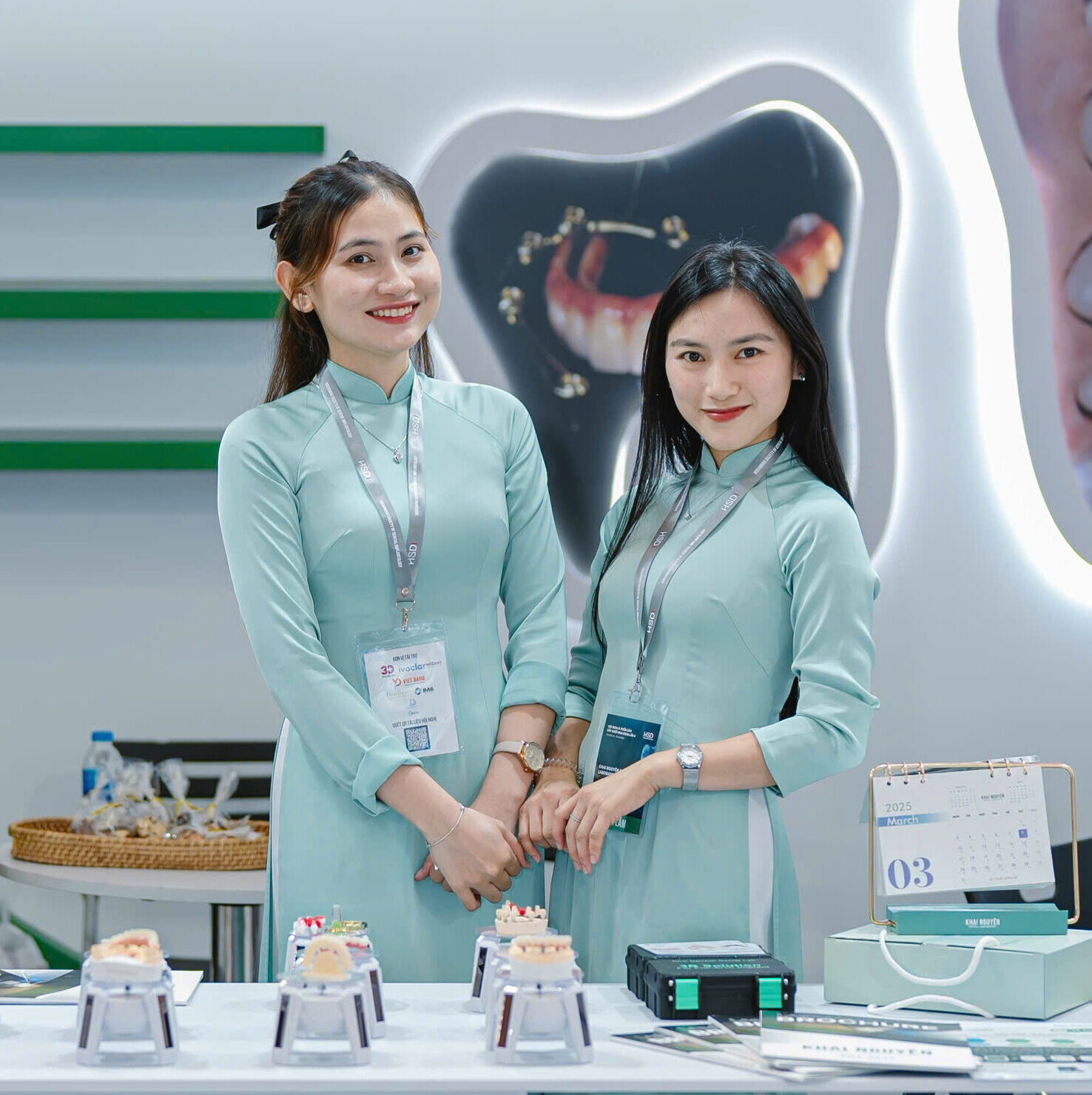
Khai Nguyen Lab at HSDI 2024