

On 26 March 2025, Khai Nguyen Dental Lab hosted an in-house workshop with Shofu (SotaD) on two subjects: building pink gingiva with Ceramage composite, and getting the most out of the Shofu Vintage Prime pressed ceramic system. The session was held for our technicians at the laboratory, from 09:00 to 17:00. Speaker Ms Connie Moy…
Category Archives: Restoration Materials
Zirconia, lithium disilicate, pressed and layered ceramics, feldspathic porcelain: flexural strength, translucency, clinical indications and how to choose the right material for each case. Written for dentists and dental technicians, based on the brand-name materials fabricated at Khai Nguyen Dental Lab.
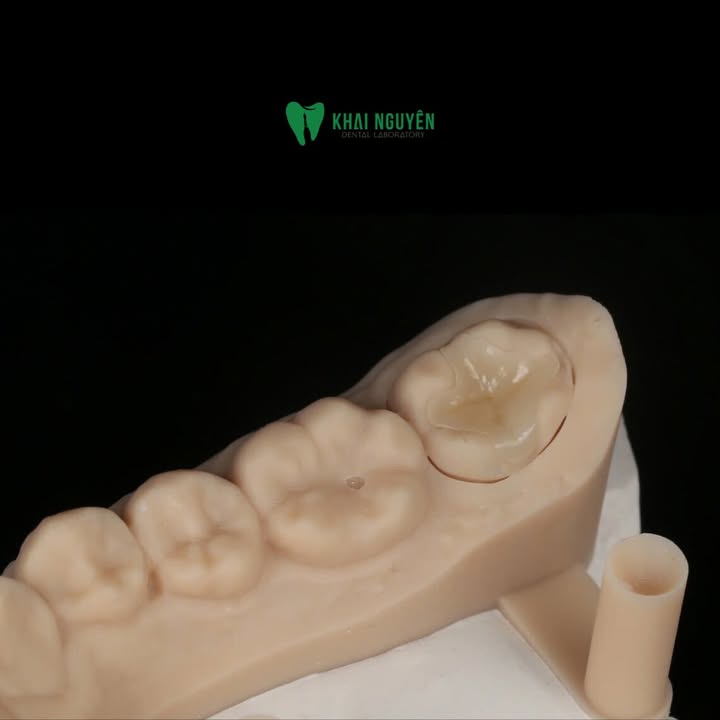
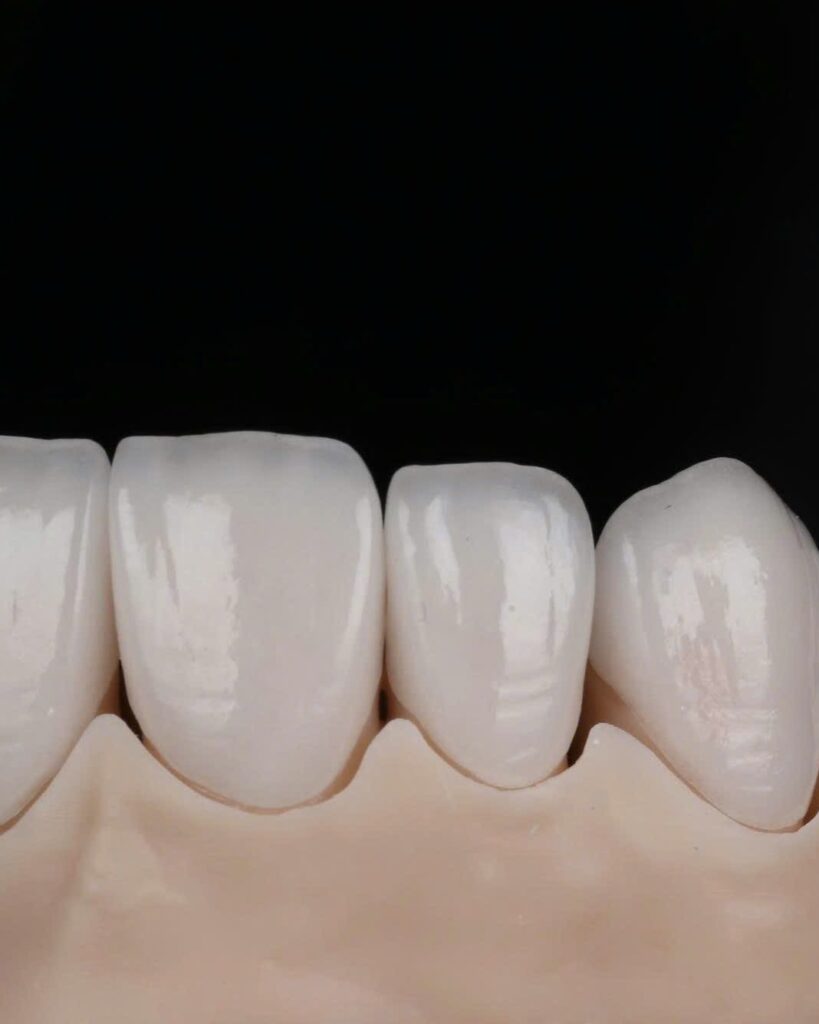
The question “how thin can a veneer go” is usually asked the wrong way round. There is no single correct figure, because minimum thickness is not a property of the material. It is what falls out of three things together: how far the shade has to move, what colour the preparation is, and how much…
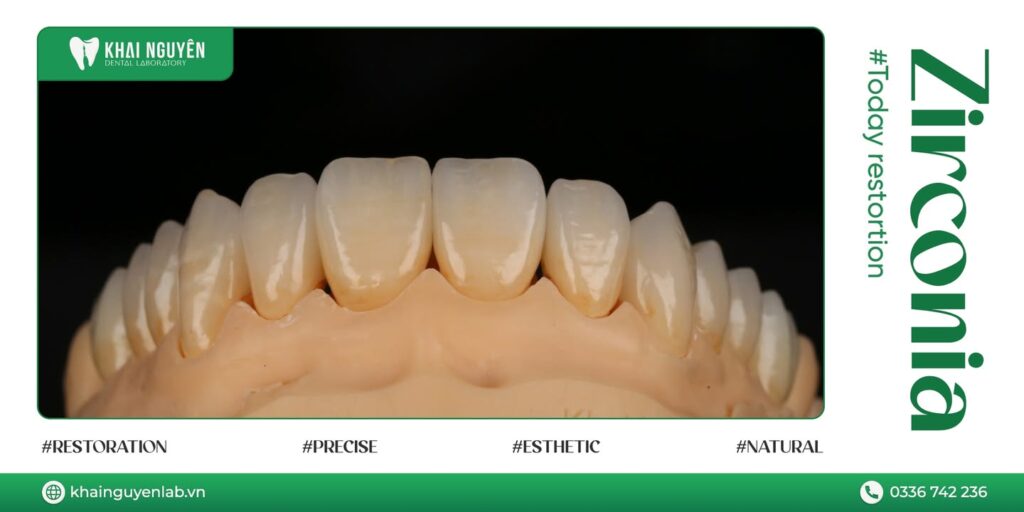
A case using the full-cutback technique: a Multi Zirconia blank with the facial surface cut back and ceramic layered onto the reduced area. What full-cutback is, and how it differs from monolithic A monolithic zirconia restoration is milled from the blank, then stained and glazed on the surface. It is fast and strong, but the…
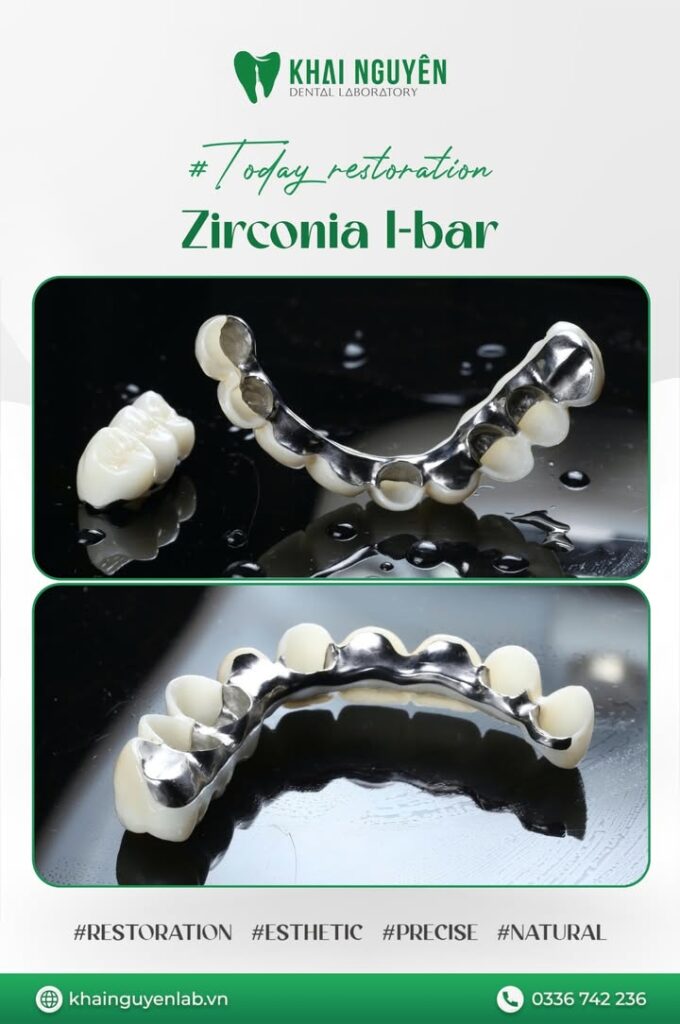
For restorations with a long span or a cantilever, where the restorative space allows it, an I-bar under zirconia is an option worth considering. The problem with long spans and cantilevers Deflection in a bridge span rises with the cube of the span length. Double the span and deflection increases roughly eightfold. With a cantilever,…
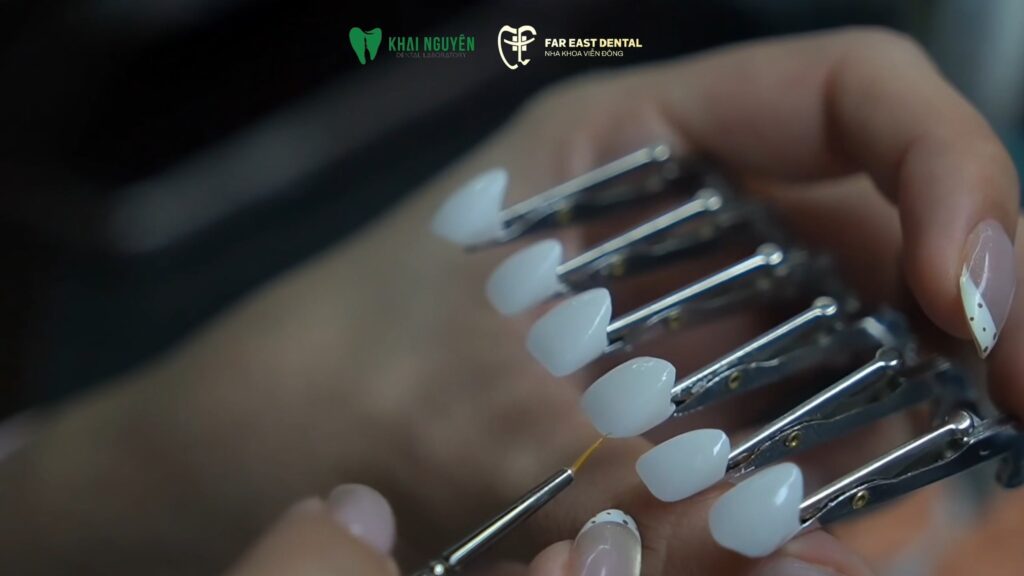
Khai Nguyen Dental Lab would like to thank Dr Nguyen Ngoc Trung Hau and Far East Dental (Nha khoa Viễn Đông) for choosing the lab as their partner on this full-arch case. What the case called for This was a full-arch restoration with a high esthetic demand. The clinician set out a problem that is…
Restoration Materials
Case Study: e.max Ceramic Inlays, Onlays and Overlays, Built for Marginal Fit and a Seamless Transition
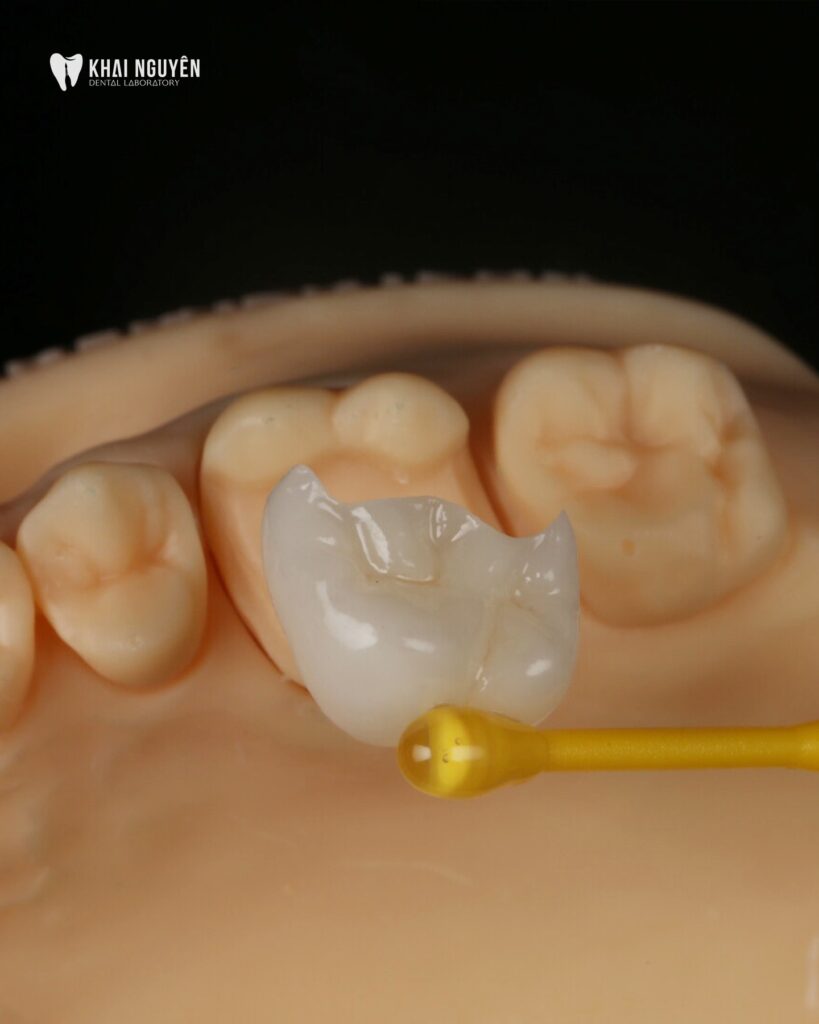
Why small inlay and onlay cases are harder than crowns: marginal fit, anatomy continuous with the remaining tooth and a seamless transition zone. e.max Press vs e.max CAD and the lab workflow.
Restoration Materials
Case Study: Full Zirconia Restoration for a Bruxing Patient with V-Shaped Cervical Wear
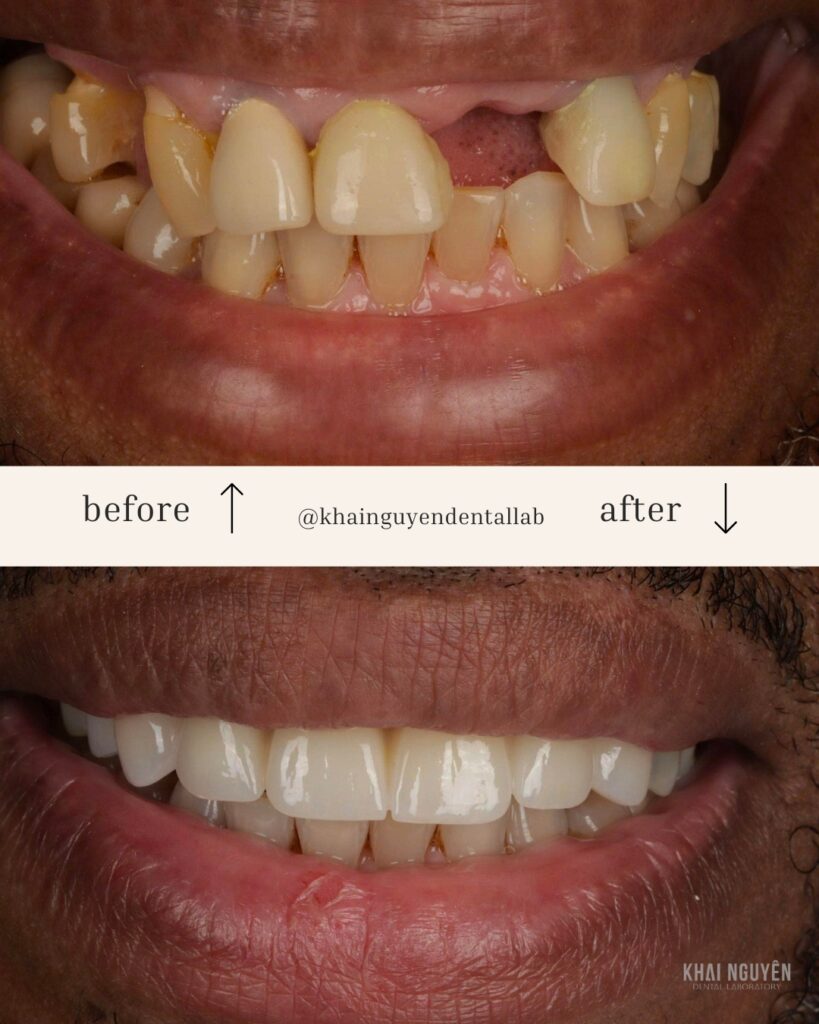
A bruxing patient with V-shaped cervical wear: why zirconia, the squared form the dentist requested, retained incisal translucency and polishing instead of thick glaze.
Restoration Materials
Bleach Shades 0M2, 1M1, 1M2 and BL: Choosing the Shade, Stain Technique and How to Brief the Lab
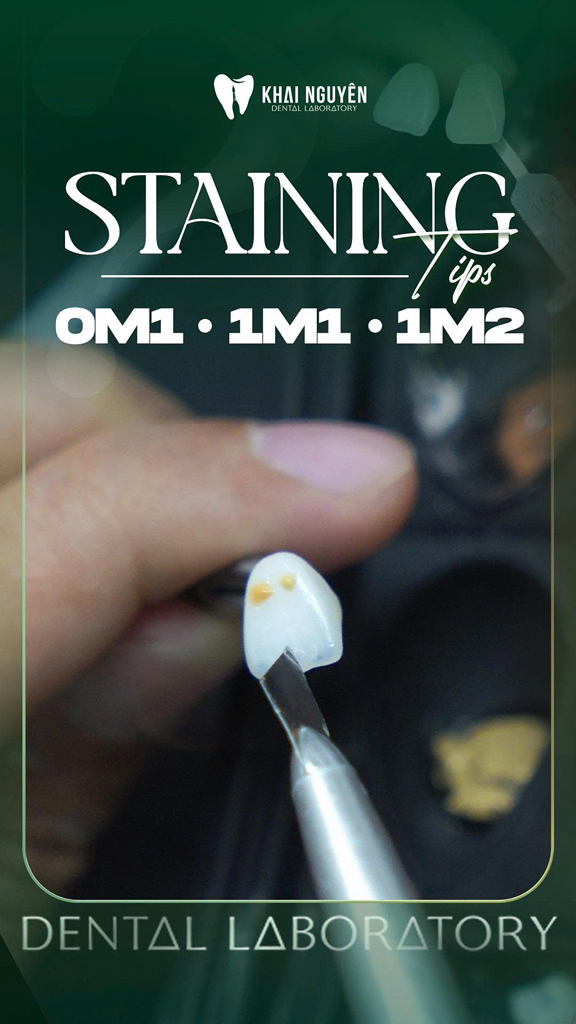
The 3D-Master and BL bleach shade systems explained, how technicians tune tone with stains, a BL2 case example, and a checklist for sending shade information to the lab.
Restoration Materials
3Y-TZP vs 5Y-PSZ Zirconia: Strength, Translucency and Which Disc for Which Case
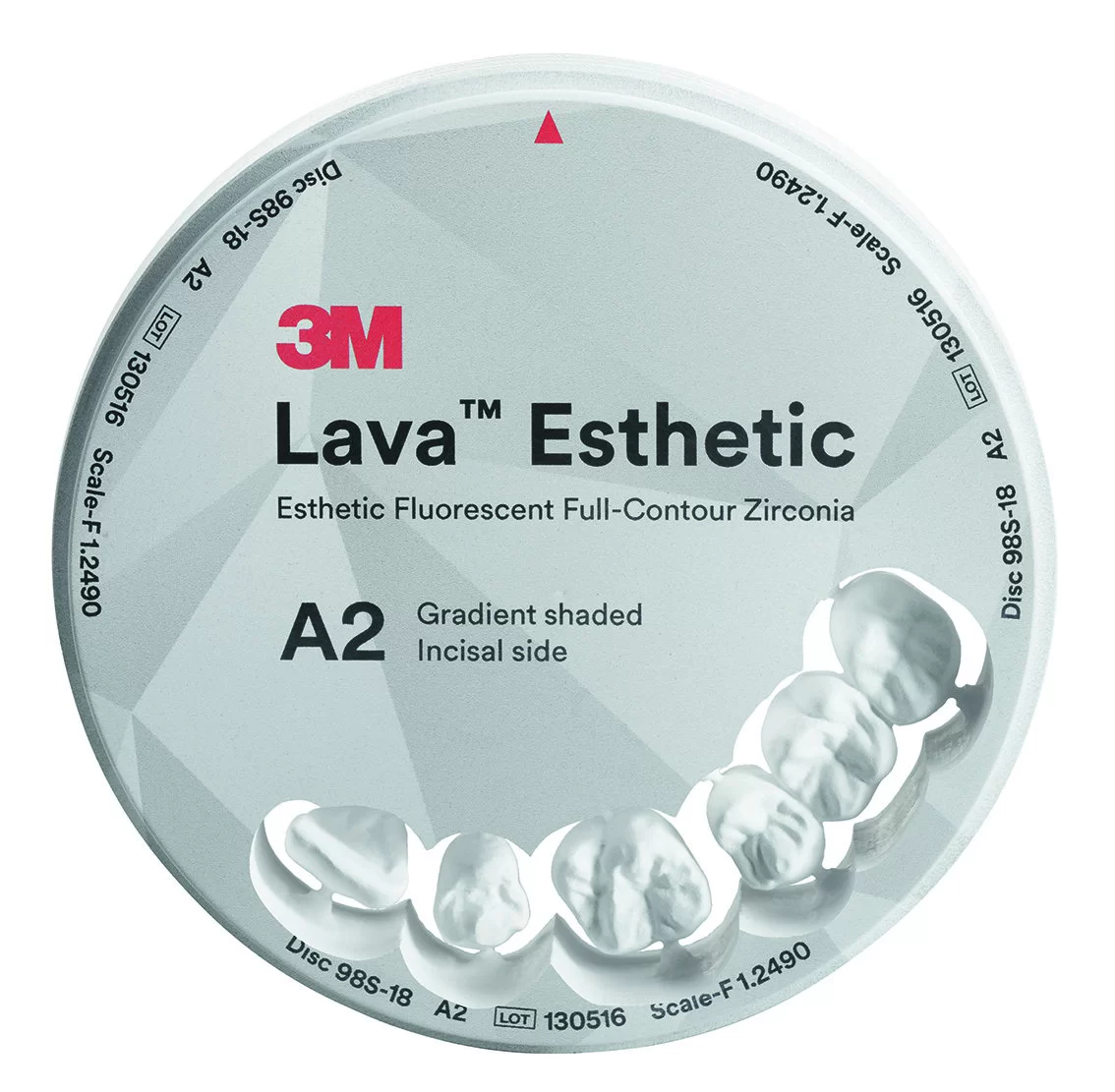
TL;DR: 3Y-TZP zirconia (about 3 mol% yttria) reaches 1,200–1,300 MPa but is opaque, so it is used for long-span bridges, molars and implant prostheses. 5Y-PSZ (about 5 mol% yttria) is far more translucent but drops to around 800 MPa, so it is used for monolithic crowns in the esthetic zone and short bridges. Multilayer discs…
- 1
- 2