

Communication is an essential part of the relationship between dental clinics and dental labs. If you are planning to open a dental clinic, or considering working with a new lab, communication becomes even more important. Today, Khai Nguyen Dental Lab shares the top 5 questions to ask before sending your cases to a dental lab — we hope they help you make the right choice.
1. “How do you control the quality of your products?”
We all want our cases sent out and returned quickly. But a clinic will also want to control the quality of its restorations. Ask the lab owner how they manage the quality of their finished products. By understanding the lab’s production workflow, you can rest assured knowing what stage your case is in and how long it will take to complete.
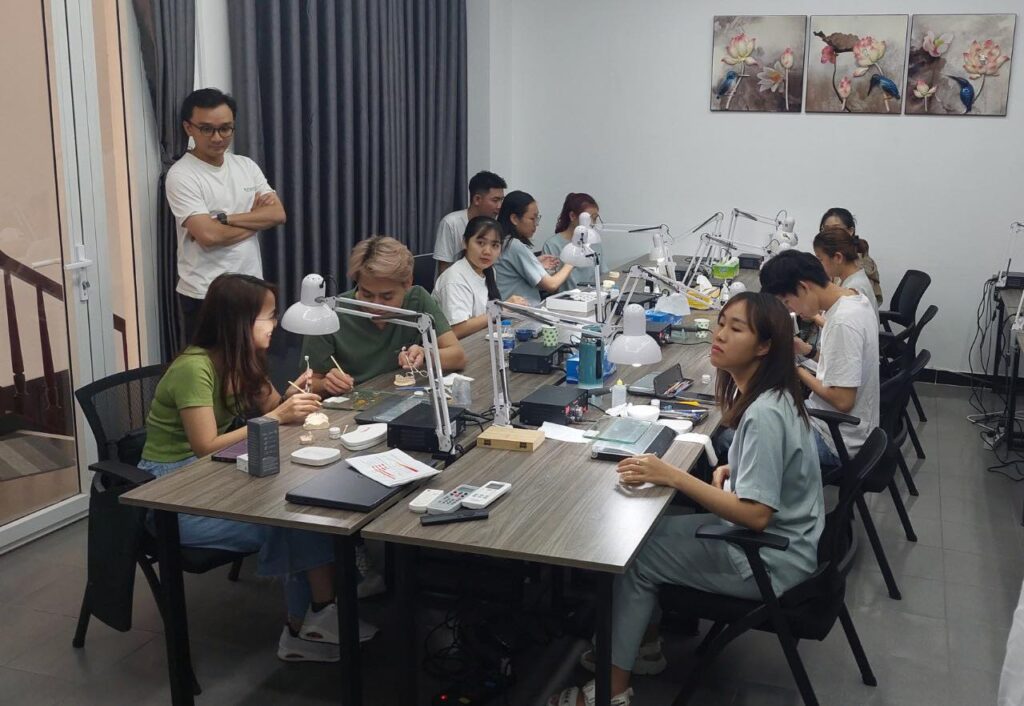
Output quality control should be carried out by long-tenured, highly skilled technicians. Labs without this step — or without a technician experienced enough to perform it — are far more likely to deliver work that does not meet requirements.
A clinic owner should also find out whether the lab uses subcontractors or third parties for production. This can shorten turnaround time; however, labs that rely too heavily on subcontractors or third parties may compromise the quality of the final restoration.
2. “Where do your dental materials come from?”
You will want to be sure the lab uses dental materials from reliable, quality-assured sources. Khai Nguyen Dental Lab’s best-selling lines — such as Lava Plus and Lava Esthetic — are made in the USA, while the Cercon lines come from Germany. These are high-quality products at reasonable prices, imported from reputable manufacturers in Europe and the USA.
If a lab will not disclose the origin of its dental materials, that can be a sign of an untrustworthy lab. Likewise, when a lab offers a suspiciously low price for a premium product line, be cautious about the true origin of what you will receive.
The origin of a dental material directly affects the performance of the finished restoration. Even top-tier materials carry a certain failure rate, but that figure is far higher for materials of unclear origin.
3. “Can I visit your lab in person?”
If a dental lab is confident in its facilities and services, it has no reason to refuse this request. Visiting in person lets you meet the manager as well as the technicians you may work with for years to come.
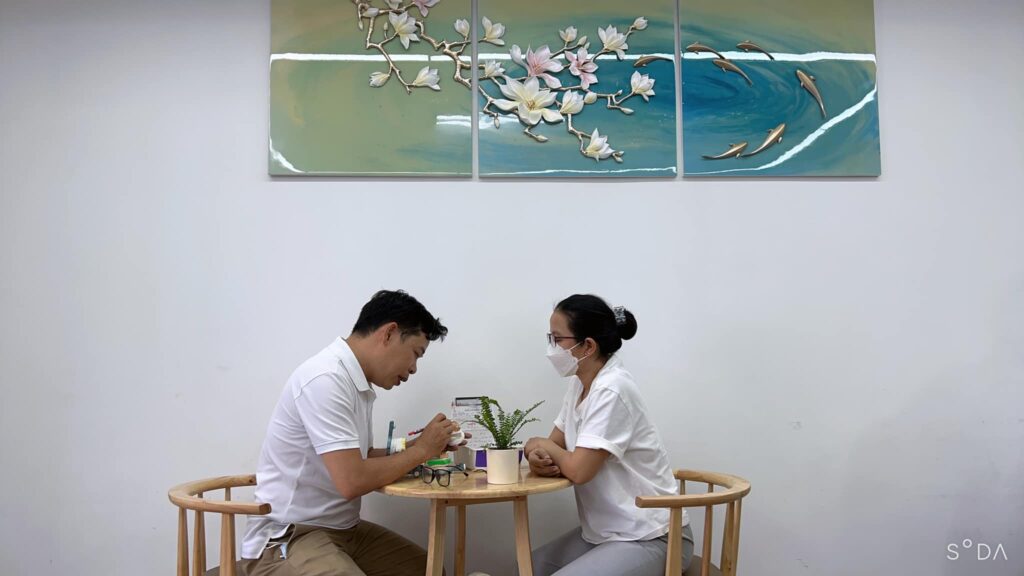
Khai Nguyen Dental Lab
You can also observe the working environment and the attitude of the lab’s staff, which will inform your decision. A consistently clean workspace, professional technicians, and adequate scale and equipment are good signs that your future partner is a professional lab.
4. “What is your warranty policy?”
No clinic ever wants to have to use its warranty. Even so, understanding the warranty policy and its benefits is important to guard against future risk.
A reputable dental lab will provide full warranty information and conditions to its customers. This information should be public and applied consistently to every customer. A substandard lab will offer an unclear warranty policy, or fail to mention it in its catalog or on its website.
5. “Do you use subcontractors or third parties for production?”
Many people consider this a sensitive question. But being straightforward from the start helps the clinic and the lab build a lasting partnership.
Many labs do not have enough staff to cover every stage, or they outsource to third parties to lower production costs. This is sometimes not disclosed to customers, which is exactly why asking is so important.
When subcontractors or third-party production are involved, the common problem is inconsistent quality. The lab owner cannot control the entire production chain, so if a case has a defect it becomes difficult and time-consuming to trace back through production.
Khai Nguyen Dental Lab takes pride in the quality of its restorations because we have built a fully in-house, closed production process that covers every stage. At each stage, output is strictly controlled by technicians with 15–20 years of experience in the field.
These five questions are the short version of the wider decision. For the full picture of how the arrangement works end to end, see our guide to Vietnam dental lab outsourcing.